
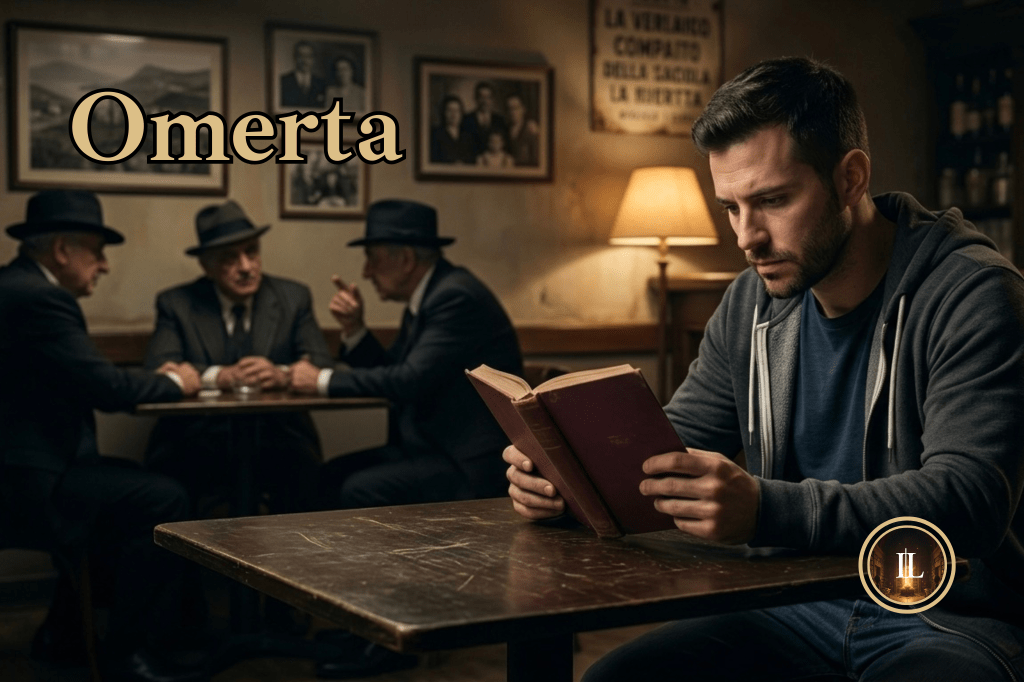
Some honorable men spend their whole life preparing for a supreme act of treachery.
I finished this book a few days ago and I still don’t know how I feel about Astorre Viola.
With Omerta, Puzo re-envisions the Mafia Don in a world where old Mafioso traditions have wasted away. Ideas of honor and nobility, of executing uncompromising and unforgiving justice, of self-righteousness and God or King complexes, have all but disappeared. Things such as greed and unnecessary accumulation of power have now taken their place at the table.
Astorre Viola discovers his roots in those old traditions, finds his trunk amidst a forest of new and simple lusts and his branches reaching to claim his destiny.
Everything about Omerta challenges the reader’s expectations about the life of a mafioso and the final destination to which his path ultimately leads. Through the narrative, the reader, like Astorre’s enemies, wonders about a hidden cunning or malicious undertone in his actions – or is he really that innocent and his intentions good? Where will his destiny lead him? Can he topple a corrupt new world where legal lines barely distinguish between criminal and law enforcement?
As with The Godfather and The Sicilian, I thoroughly enjoyed Omerta. It grips the reader and brings him along at a quick pace hearing no complaints. But, unlike Michael Corleone and Salvatori Giulianno, Astorre Viola stands as a hero who takes on the challenge of power and destiny but defends himself against corruption and death. Or does he? I suppose it depends on how the reader feels about power and justice – destiny and choice.



 The Immersion Library
Leave a reply to readinpleasure Cancel reply